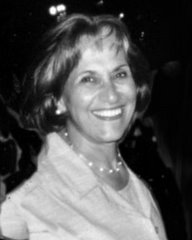
Copyright 2013 About.com. A diagnosis of cancer is like being immersed in a foreign language camp you don't remember enrolling in. And that was in the past. As advances are made in lung cancer treatment, a whole new array of concepts and terms comes to light. You may have heard of terms such as EGFR and ALK, perhaps even KRAS... Thankfully this "new" language is worth learning about, and we're fortunate to have people like Bonnie Addario who have set out to make the education process easier. The most significant advances in lung cancer treatment - treatments that have actually budged the survival rate for some people in the last decade - have a lot to do with targeting genetic mutations in cancer cells. What's really exciting is that not only have these treatments improved survival for some people, but they're designed specifically for your type of tumor. It's interesting that cold hard science is reminding us of what we often forget in medicine - that everyone is unique and special. On Tuesday, May 21, 2013 you are invited to join the Lung Cancer Living Room to learn more. Sponsored by the Bonnie J. Addario Lung Cancer Foundation, the Living Room is a monthly support group (meeting on the 3rd Tuesday of the month) that covers topics that people with lung cancer are interested in learning about - in addition to being a place where you are not alone as you live with lung cancer. You can take part from your own living room on your laptop, or attend the group in person at the headquarters in San Carlos, California. The date: Tuesday, May 21, 2013 The time: 5:30 PM Pacific Standard Time Guest speaker: Paul Billings, MD, PhD. Dr. Billings is a physician, lecturer, professor, and consultant on genetic information. He will be discussing the road map towards precision medicine, and the role of Next Generation Sequencing and what it means to someone diagnosed with lung cancer. How to join the conversation: Click on Lung Cancer Living Room Live Streaming and follow the prompts. A concept that might be helpful to understand before tuning in is that there are many types of lung cancer. If I were to talk with 70 people with lung cancer, they would have 70 different types of lung cancer. Everyone has different mutations present in their cancer cells. And targeting these abnormalities not only hits the mark better, but does so without many of the dreaded side effects of chemotherapy. It can also help a little to understand exactly what a cancer cell is - and why they are so hard to get rid of. A difficult-to-understand concept is that cancer is caused by not just one mutation, but a series of mutations. There are often mutations that result in cells continuing to grow and divide when they shouldn't. There are often mutations in proteins that tell cells to stop growing. There are also often mutations in genes that code for proteins that tell cells to die (a process called apoptosis.) At the risk of being overly simplistic, the excitement over genetic sequencing is that these mutations can be discovered and overcome with new therapies. Example of medications that work in this way include Tarceva (erlotinib) and Xalkori (crizitonib.) If you're interested in learning more about the mutations and abnormalities in cancer cells - and hence, the approach that new medications are taking to treat it, check out: I hope you'll get the chance to take part in this wonderful opportunity. I'm very excited myself to hear the latest in treatments that can be tailored for those I care so deeply for with lung cancer. To join and "like" the Living Room community, go to the Lung Cancer Living Room Facebook Page. Add Comment The Lung Cancer Living Room welcomes Paul Billings, MD, PhD as their guest speaker on May 21, 2013. Dr. Billings is a physician, lecturer, researcher, professor, and consultant on genetic information. He will be discussing the road map towards precision medicine and the role of Next Generation Sequencing and what it means to someone diagnosed with Lung Cancer. For more information on Dr. Billings CLICK HERE Its going to be another great night, so BJALCF hopes to see you in person or online via Ustream: http://www.ustream.tv/channel/the-lung-cancer-living-room-support-group For more information CLICK HERE or contact Danielle Hicks at danielle@lungcancerfoundation.org or (650) 598- 2857. Living Room Partners SOURCE: Bonnie J. Addario Lung Cancer Fndtn New platform will allow patients to learn from each other, share reliable information farther and faster than ever before SAN CARLOS, Calif., April 18, 2013 /PRNewswire-USNewswire/ -- Today, the Bonnie J. Addario Lung Cancer Foundation (LCF) announces its partnership with Smart Patients, who today launched a free online community for cancer patients, caregivers and others to talk about treatments, clinical trials, and more. The partnership has one purpose – to empower patients. "Patients hold the key to unlocking the genetic code to curing lung cancer, so we're extremely excited to partner with this first-of-its-kind, easy way for patients and doctors to connect online," said Bonnie J. Addario, a stage 3B lung cancer survivor and founder of the Bonnie J. Addario Lung Cancer Foundation. "The partnership embodies one of our driving principles: empowered patients live longer." The LCF truly believes that educated and empowered patients live longer and offers three key patient programs:
One of the founders of Smart Patients, Roni Zeiger, M.D., the former Chief Health Strategist at Google, will speak further about the online community at the LCF's Living Room support group in June. Today, Zeiger also announced the launch of Smart Patients at TEDMED conference in Washington D.C. "The Lung Cancer Foundation has been an early partner and is helping to seed the community where science meets social," said Roni Zeiger, Founder Smart Patients. "We're excited to provide a platform where the patient's voice is central and we can learn from their insights to move science forward even faster." About the Bonnie J. Addario Lung Cancer Foundation The Bonnie J. Addario Lung Cancer Foundation is one of the largest philanthropies (patient-founded, patient-focused, and patient-driven) devoted exclusively to eradicating Lung Cancer through research, early detection, education, and treatment. The Foundation works with a diverse group of physicians, organizations, industry partners, individuals, survivors, and their families to identify solutions and make timely and meaningful change. BJALCF was established on March 1, 2006 as a 501c(3) non-profit organization and has raised more than $10 million for lung cancer research. To learn more, please visit www.lungcancerfoundation.org. About Smart Patients Smart Patients is an online community for cancer patients and caregivers. The community includes a clinical trial search engine that presents trial data from ClinicalTrials.gov in a patient-friendly format. The community platform has been in private beta testing since January 2013 and is now open to all cancer patients and caregivers. To learn more visit us at www.smartpatients.com. ©2012 PR Newswire. All Rights Reserved. The Lung Cancer Living Room - Personalizing Your Care - Dr. David Gandara - Feb. 19, 201303/26/2013 In his second visit to the Lung Cancer Living Room, Dr. David Gandara of UC Davis Comprehensive Cancer Center, discusses how your cancer is unique and that your approach to treating it should be too. He talks about discovering your 'molecular fingerprint' and how that information will help guide you through your unique cancer 'journey'. He also talks about some of the latest findings regarding "Tumor Darwinism"- how your cancer's molecular signature can evolve over time, as well as some of the latest research funded by the Bonnie J. Addario Lung Cancer Foundation using mouse models to test new forms of treatment. He closes with a discussion of the importance of getting involved in clinical trials. The bottom line he says is that empowered patients live longer. It is a visit filled with lots of useful detailed information, and a clear message of hope and progress. Learn more about The Lung Cancer Living Room here. ![]() Bonnie Addario Leading magazine downplays value of lung cancer screenings, to the detriment of advances in early detection research. SAN CARLOS, Calif., March 20, 2013 /PRNewswire -- The following statement was issued by Bonnie J. Addario regarding the March cover article in Consumer Reports: The cancer tests you need--and those you don't: "I am appalled by the March 2013 Consumer Reports cover story (The cancer tests you need--and those you don't), because of the misleading and misguided message it sends to people who really need life-saving cancer screening tests, and how it discredits the value and importance of proper early detention cancer screening tests. "The article's irresponsible reporting is best summed up in this statement on page 31: 'But most people shouldn't waste their time on screenings for bladder, lung, oral, ovarian, prostate, pancreatic, skin or testicular cancers.' "Consumer Reports is one of the most trusted publications in America. Anyone, whether they know they are low or high risk, will read that statement and walk away believing early detection cancer screening tests are unnecessary. The six-page article mentions only twice that its ratings apply only to asymptomatic, low-risk population. "Shame on Consumer Reports. We are talking about people's lives here. "I myself am a lung cancer survivor. For more than a year I was misdiagnosed and not given an early detection screening test, even though I was in a high-risk category. When I was finally diagnosed I was stage 3B. Unlike so many others, I beat the odds. But my odds would have been better with an early detection cancer screening test. I founded the Bonnie J. Addario Lung Cancer Foundation seven years ago to advocate and raise money for better research, education, early detection and treatment. Because something must be done. The stats are staggering.
"Cancer screening and treatment are certainly at a crossroads, as the article states. This is made clear as well by recent legislation to direct more tobacco settlement money to early lung cancer detection programs. But the article's irresponsible representation of the value of screening tests, I fear, might damage the progress my lung cancer foundation has made over the past seven years - just as we are making great strides. "People cannot readily see symptoms of lung cancer. Symptoms are deep in the lungs, unlike breast cancer, where lumps can be felt and are visible. When you are diagnosed with lung cancer it is often at stage four, when it's too late. "The Consumer Reports article makes only one responsible and thoughtful statement: 'Weighing the risks and benefits of cancer screening is best done in the context of a patient-doctor relationship.' "Consumer Reports should stay out of the health care advice business, and stick to writing about toasters and washing machines. I wouldn't approach my doctor about whether I should buy a Honda or a Ford. And likewise, people should not consult Consumer Reports to help them decide whether or not to have a potentially life-saving cancer screening test." About the Bonnie J. Addario Lung Cancer Foundation The Bonnie J. Addario Lung Cancer Foundation is one of the largest philanthropies (patient-founded, patient-focused, and patient-driven) devoted exclusively to eradicating Lung Cancer through research, early detection, education, and treatment. The Foundation works with a diverse group of physicians, organizations, industry partners, individuals, survivors, and their families to identify solutions and make timely and meaningful change. BJALCF was established on March 6, 2006 as a 501c(3) non-profit organization and has raised more than $9 million for lung cancer research. Originally published at espnW.com on Dec 11, 2012 by Sarah Spain ![]() Kelcey Harrison, center, and Jill Costello, right, were lifelong friends, seen here with Gianna Toboni on a grade school field trip. [Photos courtesy of Kelcey Harrison] A couple of Saturdays ago, while you were watching college football or out buying a Christmas tree, 24-year-old Kelcey Harrison was running the last 20 miles of a 3,500-mile "jog" from Times Square to her hometown of San Francisco. Harrison, who graduated from Harvard, where she played soccer, is young, healthy and motivated. By the time she completed The Great Lung Run, she had logged 30 miles nearly every day for four months straight. Harrison ran because she can. And because her lifelong friend Jill Costello -- who was also once young and healthy and motivated -- cannot. On June 6, 2009, Costello, then a junior at Cal and a member of the crew team, was diagnosed with lung cancer. The disease was already at stage 4 and had spread; she was given about a year to live. Costello spent that year finishing school, earning Pac-10 Athlete of the Year honors, acting as vice president of the Panhellenic Council and doing tireless work for lung cancer charities -- all while undergoing chemotherapy. In May 2010, doctors told Costello she could not be cured; all they could do was try to make her last few weeks more comfortable. In those last weeks she walked across the stage at graduation (with a 4.0 GPA) and helped Cal to a second-place finish at the NCAA crew championships. "Jill was really strong," Harrison said. "She was really confident that she was gonna be the one to beat stage 4 lung cancer. She was very convincing in her argument; even at the very end we really believed she was going to be the miracle." Costello died June 24, 2010. Great Lung Run ![]() Kelcey Harrison No. 1 Cancer Killer A young, vibrant nonsmoker, Costello was the last person anyone would expect to get lung cancer. But 20 percent of the more than 20,000 women diagnosed with the disease each year have never smoked. Lung cancer is the No. 1 cancer killer in the United States, taking more lives than colon, breast and prostate cancer combined. Despite the staggering stats, there are no pink ribbons worn or mustaches grown in the name of lung cancer. There is, instead, a stigma that the disease is self-inflicted; an illness brought on by a life of smoking. Research and funding is limited and the five-year survival rate for lung cancer is 15.5 percent; it hasn't budged in 40 years. More than half of all people with lung cancer die within a year of being diagnosed. Costello hung on for 18 extra days. So Harrison runs to raise money and awareness about the disease that took her friend's life. The Great Lung Run has raised more than $150,000 for Jill's Legacy, an advisory board to the Bonnie J. Addario Lung Cancer Foundation, the charity Costello worked closely with in the months before her death. Darby Anderson, the director of Jill's Legacy, said at first she didn't think Harrison would follow through with her plan to run across the country. "I thought she was nuts," said Anderson, who was a sorority sister and close friend of Costello's. "I told her to call me back when she had an actual plan and then we would take her project from there. … [That] April I saw her in D.C. when I was there for our Jog for Jill Georgetown and she had a website, route, places to stay and was ready to actually make this happen. I was blown away." Harrison was up early every morning to jog her 30 miles, taking a day off every 10 days or so to let her body rest. She took a break to walk every once in a while, but never stopped moving until the 30 miles were finished. "It's just like getting up and going to work," Harrison said. "Sure there are days where it wasn't the first thing I wanted to be doing but that was my routine and my job at the time, so just gotta get up and do it." Harrison's not sure how, but after 3,500 miles, she feels OK. "I don't have an answer as to why I'm holding up so well," Harrison said. "It's a mystery to me just like everyone else. … People said they think I have the right motivation and someone special looking over me." Harrison ran solo for the first six weeks of her trip, pushing her belongings in a jogging stroller and staying with hosts who would pick her up at the end of each run and drop her off the next morning where she left off. Eventually one of her friends from Jill's Legacy joined her on the road in a donated car, driving her to and from hotels along the way. (The donated car, by the way, was a gold Chrysler 300 with 22-inch rims. When their first donated car lost its power steering the girls ended up at Oscar's Auto Salvage in New Mexico, hoping to sell it and rent one for the remainder of the trip. Instead, Henry, the shop's owner, offered his own tricked-out car for the final months of the trip.) ![]() Kelcey Harrison Just another day at the office Running more than a marathon every day for four months sounds nearly impossible, but Harrison said from the start that if Costello could accomplish as much as she did in her last year of life, all while being ravaged by chemo, then a simple jog across the country was nothing. "I spent a week with her on the road and she'd finish up her run and it was like she had just finished a day at work," Anderson said. "We would hang out, head to dinner, chit-chat and do completely normal things, except that she had just run 30 miles that day. … Kelcey has more courage and inspiration than anyone I have ever met and I am so grateful to have been able to just be a small part of this huge adventure." The last part of The Great Lung Run was across the Golden Gate Bridge to Crissy Field. The Cal crew team, Harrison and Costello's high school crew team and other friends and family joined in for the final miles. The official completion of Harrison's run took place last Thursday -- a celebratory cocktail party at St. Ignatius College Prep, the high school she and Costello attended. Harrison had been honoring Costello's memory with each step of her journey, but returning to a place where they grew up was difficult. "It's not hard to think about Jill all the time because she sort of turns into this image, a legend" Harrison said. "What's hard is when you find those moments to step back and remember Jill your friend. Jill who did Halloween costumes with me for 16 years of our lives. That's where it's tough. "It's become bigger than her, which sometimes is sad because you feel like you're forgetting a little bit of your friend, but in her last year of life that's really what she was aiming for. All of us at Jill's Legacy are really proud of what we're accomplishing but also really sad about [the reason] we're all involved in this." Harrison will wake up this week with no miles to run, no path to follow. She's no longer interested in attending law school, but isn't quite sure what she wants to do instead. "I'll take a little time to relax and then try to figure out what's next," she said. "I'm looking out for jobs, but I'll always be tied to our foundation and the cause of lung cancer. We'll always have jogs, bar events, restaurant things; anything to get more young people involved in lung cancer awareness. That will continue forever." The following article was originally published in LSF Magazine: Fall 2012. Copyright 2012 Life Sciences Foundation. In Part I, we recounted how former oil executive Bonnie J. Addario survived lung cancer and embraced a new calling: patient activism. She started the Bonnie J. Addario Lung Cancer Foundation (BJALCF) with two goals: 1) to raise public awareness about the relative neglect of lung cancer in biomedical research, and 2) to help lung cancer patients navigate effectively through the healthcare system toward the best available care. Addario soon realized the necessity of a third goal: to enlist the aid of physicians and biomedical scientists in the reorganization of cancer research. In November 2007, she convened the first annual BJALCF Lung Cancer Summit in San Francisco, and posed a simple question to an audience of prominent oncologists: “If money were no object, what would you do to increase lung cancer survival rates?” Tissue is the issue Dr. Harvey Pass, Director of the NYU Division of Thoracic Oncology, stood to respond: “We need a bio-repository operated by an honest broker, and collaborative agreements to ensure that institutions donate tissues.” The fight against cancer in the emerging era of genomics and personalized medicine depends crucially on the identification of tumor biomarkers – mutated genes or molecules associated with the development of specific types of malignancies. Biopsied tissues are basic raw materials that researchers need to develop improved diagnostic tests and targeted therapies. As Bonnie puts it, sample collection is “a search for gold.” The value of biomarkers in the development of diagnostic tests and therapies has been amply demonstrated. In the case of lung cancer, for example, a genetic test is now available to detect a specific mutation in the gene that codes for a protein called epidermal growth factor receptor (EGFR). The mutation causes overexpression of the protein, which leads to aggressive forms of lung cancer (and colorectal, ovarian, and pancreatic cancers as well), tumors that readily metastasize and are resistant to standard chemotherapies. For lung cancer patients who carry the mutation, the best available drug is Genentech’s Tarceva®. Tarceva targets EGFR and inhibits its biological action. “Think about it this way,” says Bonnie. “A carpenter would never leave the house without a full toolbox – a hammer, a screwdriver, a saw, and so on. Molecular analysis of tissues is the tool that oncologists need to select the right treatment for the unique patients sitting in front of them.” Oncologists have long collected and analyzed tissue samples in order to characterize, predict, and monitor the progression of tumors. It was never common, however, to share samples broadly. With limited tools and techniques for the investigation of cancer genetics and scarce understanding of the heterogeneity of cancer as disease category, demand was limited. Specimens were regularly discarded after testing. Now, however, genomics technologies permit far greater differentiation in tumor typing. Demand for specimens is growing. Comprehensive identification of mutations and gene expression patterns implicated in oncogenesis will require genomic analysis of large sets of tissue samples. Boom and bust In the early 1990s, there were great expectations among genome scientists, entrepreneurs, investors, and drug companies that the identification of genetic markers would streamline drug discovery and development and form the basis of a new sector of the pharmaceutical industry. A large cohort of companies appeared, ready to implement genomics technologies in drug target screening, identification, and validation, but the data licensing business model adopted by most firms proved unsustainable. Information alone doesn’t make a drug. Drug design involves making safe and effective interventions in strictly regulated and finely tuned biochemical signaling pathways nested in highly complex biological systems. A lot can go wrong. Even if a pharmaceutical company possesses a promising target, there is no guarantee that it will be able to develop an efficacious drug. Most attempts fail. If all goes well in the laboratory and clinical testing – a very rare course of events – then one might expect a drug in perhaps ten years at a cost of half a billion dollars. Given the length, expense, and uncertainty of the drug development process, pharmaceutical companies questioned the value of biomarkers. What is a fair price? Eventually, the answer became clear: not enough in many cases to support the commercialization of biomarkers as a main line of business. After pharmaceutical houses had made a first pass and selected priority drug development targets, demand for biomarkers slackened. Firms licensing gene sequences struggled to remain profitable. Many genomics companies elected to divert resources to the downstream development of diagnostic products or drugs. Oncologists had anticipated an avalanche of cancer biomarker data, but only a trickle arrived. Academic labs carried on the study of cancer genomics, but with fewer resources, and in a mostly uncoordinated manner. The advent of genomics has increased demand for tissue specimens by several orders of magnitude, yet competition in science has continued to put pressure on academic laboratories to generate data and publications independently rather than cooperatively. There have been few concerted efforts to pool genomics data in cancer research. There is no central repository. When Bonnie Addario surveyed the institutional landscape, she saw a case market failure. She was enthusiastic about the promise of genomics for the development of individualized treatments and improved outcomes for lung cancer patients, but frustrated by the organizational and economic impediments to translation of biomedical advances from ‘bench to bedside.’ Attendees at the BJALCF Lung Cancer Summit agreed that patients would benefit from changes in the way cancer biomarker data are generated and disseminated. Storming the silos After the meeting, Bonnie assembled a team to organize the proposed clearinghouse. Joining her as president of the Addario Lung Cancer Medical Institute (ALCMI – pronounced ‘alchemy’) were Steven Young, former Executive Director of the Multiple Myeloma Research Consortium, and a core group of leading oncologists, thoracic surgeons, and laboratory scientists – Harvey Pass from NYU Langone Medical Center, David Carbone of the Vanderbilt University Medical Center, David Gandara, from University of California-Davis School of Medicine, David Jablons, from the University of California, San Francisco, Pasi Jänne from Harvard Medical School and the Dana Farber Cancer Institute, Ite Laird-Offringa of the University of Southern California, Rafael Rosell from the Catalan Institute of Oncology in Spain and Giorgio Scagliotti from the University of Torino. “These were really the top guys in the business,” says Young, who was appointed President of the organization. As the only non-scientist on the board, Bonnie represented the patient perspective. “I insisted that she have veto power,” says Young, “to make sure that our mission wasn’t hijacked.” Addario was gearing up to wage “a battle against the status quo.” She had selected a board that she believed was willing to reform established institutional processes in biomedical research. The group formulated goals, established ground rules, and developed a unique operational model. ALCMI was established to break down barriers. Bonnie intended the group to serve as a virtual mediator that would 1) establish connections and facilitate communication between ‘research silos’ (academic and industrial laboratories reluctant to collaborate and share information); 2) link and standardize existing biobanks in a cooperative network; and 3) provide an information technology infrastructure for the broad and efficient dispersion of data across the institutional topography of the global cancer research establishment. The initial goal, agreed upon at the first meeting of the ALCMI board, was to affect the clinical management of lung cancer in a significant way within three years. The timetable was ambitious. It reflected Bonnie’s “no-nonsense” business approach to leading the consortium. The cancer survivor and former oil company executive had little patience with the established conventions of academic life. “A lot of people were doing good things in cancer research,” she says, “but didn’t fully understand the need to shake up the academic system. We’re running ALCMI as a business. We don’t sit around and create ideas and not implement them. We make sure they happen and we measure what we’re doing. We operate using business principles.” Fourteen academic universities and community hospitals have joined formally as collaborators. In the United States, participating institutions include the Dana Farber Cancer Institute in Boston, the Hoag Memorial Hospital Presbyterian in Newport Beach, California, the Lahey Clinic in Burlington, Massachusetts, New York University, the University of California, Davis, the University of California, San Francisco, the University of Southern California in Los Angeles, Alta Bates Summit Medical Center in Oakland, Palo Alto Medical Foundation in Palo Alto, Vanderbilt University in Nashville, Tennessee, and Memorial Cancer Institute in Hollywood, Florida. Abroad, ALCMI enrolled programs at the Catalan Institute of Oncology in Barcelona, Spain, the Institut Gustave Roussy in Villejuif, France, and the University of Torino in Turin, Italy. Four additional medical centers in the U.S. have been invited to join ALCMI, bringing the total number of community hospitals to eight— ALCMI is unique in engaging community-based clinicians and community hospitals in translational research. Despite the urgency of her mission, Bonnie understood that laboratory research moves forward according to its own timetable. Advancing basic science takes time, money, and luck. Breakthroughs can’t be predicted. They can’t be planned. Bonnie believed, however, that promising findings too often circulate for extended periods through restricted academic channels in which interests in publication and tenure take precedence over the translation of research to medical applications. Bonnie and company planned to operate differently. Steven Young says, “ALCMI is not a private playground for scientists in the consortium. We stated that clearly to our academic partners. We said, ‘We’re not trying to continue what you normally do. We’re creating this resource so that scientists around the world can access it.’” As new member organizations joined and coordination challenges arose, ALCMI evolved into a contractual consortium. In order to gain access to the organization’s bio-repository resources, participating institutions must agree to adhere to non-negotiable policies on control of data and intellectual properties, tissue collection and usage, and revenue sharing. These contractual agreements obviate the need to negotiate separate deals with multiple technology transfer offices. They streamline the process of involving new institutional participants and contributors. The goal is effective collaboration with far less red tape. Through the contract system, ALCMI has been able to re-route flows of information in academic collaborations – investigators and research institutions have evidently recognized the sense and value in ALCMI’s innovative methods. ALCMI is not the only non-profit organization working to share tissue samples and disseminate biomarker data, but similar groups are few in number. According to Steven Young, “there are only three or four of these around the world. It takes a lot of nerve and a lot of money.” ALCMI is currently the only group dedicated exclusively to the acceleration of lung cancer research. Remove the bricks, remove the mortar, disseminate the research Two years ago, ALCMI expanded its bold experiment to include the analysis of tissue and plasma samples. The organization initiated the CASTLE Network Study (Collaborative Advanced Stage Tissue Lung Cancer Network), a networked research project that performs laboratory testing on tumor specimens donated by lung cancer patients. The structure is simple. Late-stage cancer patients provide tissue and blood samples at one of seven participating institutions nationwide. Clinicians perform molecular tests to identify biomarkers that might provide clues about the future behavior of the cancer. The samples remain in the bio-repository as a resource for researchers worldwide; test results are sent to the patient’s doctor to help determine the best course of treatment. The CASTLE study is the beginning of a move toward improved, personalized treatment plans for lung cancer patients. Participating physician and ALCMI board member David Carbone explains that information provided by the institute “enables physicians to make informed decisions on best available treatments – it often allows them to make earlier therapeutic interventions and to prescribe highly effective, targeted drugs rather than nonspecific and toxic chemotherapies.” CASTLE study findings also help researchers identify new biomarkers and learn more about the genetic preconditions, cascading biochemical pathways, and cellular dysfunctions that characterize cancers in lung tissues. Research is moving ahead. In April 2011, Biodesix, a molecular diagnostics company located in Broomfield, Colorado, a Denver suburb, began testing tissue samples collected from late-stage cancer patients enrolled in the CASTLE study with a serum proteomics test called VeriStrat®. In January 2012, researchers at the University of California, San Francisco (UCSF), with support provided by the BJALCF, developed a similar molecular test in hopes of accurately predicting the future behavior of lung tumors. Parallel drug testing projects are underway with support from the BJALCF. In 2010, Dr. David Gandara, a member of ALCMI’s Scientific Board, and a special advisor for experimental therapeutics at the University of California, Davis (UCD) Cancer Center, began collaborating with Jackson Laboratory-West and the National Cancer Institute Center for Advanced Preclinical Research to test the effects of varied drug regimens against specific tumors. Malignant cells from lung cancer patients receiving treatment at UCD have been engrafted onto multiple mouse models and tested serially for positive responses to newly-developed anti-cancer therapies. The goal, Gandara says, is to identify the specific lung cancer mutations that are most common, and most treatable: “There are at least 150 different types of lung cancer, so every patient a physician sees is going to be a little different. We need to find, say, the five or six characteristics that are shared by all the cancers – the most common mechanisms. That’s where we should focus treatment.” The BJALCF began funding Gandara’s research in 2010. A recent progress report revealed that mice engrafted with variations of the EGFR mutant tumor model showed virtually complete reductions in tumor size when treated with afatinib, a drug being tested by Boehringer Ingelheim for patients with EGFR mutation positive non-small cell lung cancer (NSCLC), in combination with cetuximab (Erbitux®), a monoclonal antibody marketed by Bristol-Myers Squibb and Eli Lilly and Company that targets EGFR receptors. Clinical trials of the experimental combination therapy in human beings are underway, after the encouraging preliminary results in animal testing. Developing alternative treatment options also requires enrolling more patients in clinical trials. Pharmaceutical companies often struggle with recruitment. Fewer than 5 percent of lung cancer patients participate in tests of experimental therapies. As a former patient, Bonnie understands their reluctance: “Most people think of clinical trials as a last resort. They think it signals the end of the road.” For many people with cancer, entering a clinical trial marks a passage in status, from patient receiving care to doomed guinea pig. She has firsthand experience with the phenomenon. When her cousin was diagnosed with pancreatic cancer, the doctor recommended a clinical trial. At her cousin’s next appointment, a trial representative walked into the physician’s office wearing a suit and carrying a briefcase full of enrollment paperwork detailing risks. The reaction from Bonnie’s cousin was immediate and powerful: “No way.” Bonnie is mobilizing the BJALCF to develop more effective enrollment techniques: “I tell patients that at one point, Tarceva was in a trial, and that the people who took it lived longer. We can get patients into clinical trials, but we need to educate them. We have to explain what trials are all about, and tell how genomics is enabling the invention of better medicines.” Her message is that clinical trials give patients the best chance for survival. As Steven Young indicates, the BJALCF’s patient recruitment effort is an important piece of the virtual network: “BJALCF can get access to the patients, ALCMI has access to the scientists, and we have established an infrastructure to support the research. Our contracts, our data systems, our processes for doing correlative science studies are changing lung cancer research and care.” Lung cancer education In 2012, the BJALCF and ALCMI have launched further initiatives to inform and empower patients and enlist the aid of healthcare professionals. Working collaboratively with GE Healthcare Oncology Solutions, BJALCF is developing the Patient 360 program. A pilot version has been introduced at El Camino Hospital in Mountain View, California, under the direction of Dr. Shane Dormady. The BJALCF is also compiling a “360 Degree Patient Handbook” for patients, their families, and health care providers. The handbook is a goldmine of information covering all aspects of the lung cancer experience including diagnosis, cancer staging, targeted treatments, and clinical trials. Bonnie recalls her own firsthand introduction to the world of oncology: “Everyone kept saying that cancer is a journey, but no one could provide me with a roadmap. This handbook is the culmination of years of research, conversations with lung cancer experts and patients, and my personal experience.” A free iPhone app will alert patients of new discoveries and breakthroughs in lung cancer research. Bonnie insists that the best patient advocates are educated patients themselves. The BJALCF is working hard to encourage and enable informed, proactive participation by patients and families in cancer care: “We want to teach the patient what to ask for from the very beginning of the long hard road on which they will travel. When the doctor says, ‘You have a metastasis to the brain, you need radiation,’ they will have the background knowledge to reply, ‘Well, are we considering whole brain radiation, gamma knife, or cyber knife procedures?’ They will be able to personalize their treatment and demand a seat at the table.” Before patients demand a seat at the table, they are offered a space on a couch at the BJALCF Lung Cancer Living Room support group. The Living Room is an open forum for patients and their families to voice questions and concerns, share lessons learned, and hear from experts in the field of lung cancer research and medicine. Recently, Living Room conversations debuted on the worldwide web. “We are now live streaming into patient’s homes,” Bonnie reports. “It’s open to anyone who wants to dial in, and that includes the pharmaceutical industry. We are not restricting access. We are not keeping anyone out.” These patient-focused programs are part of a larger campaign by the BJALCF and ALCMI to reshape the institutional foundations of cancer care. Efforts to create more knowledgeable, more responsive, and better equipped community hospitals are another important part of the process. Seventy to eighty percent of all cancer patients are treated at community hospitals, but molecular testing is far from a widespread or standard procedure, and many patients do not learn about the latest treatment options. “Patients are getting the same old, same old,” says Bonnie. “Whatever the oncologist was giving them before, that’s what they’re kept on.” BJALCF is spearheading a community hospital referral program. The program is designed to provide community hospitals with incentives to improve, to acquire the tools and forms of expertise required to diagnose and treat cancers based on the results of personalized molecular testing. And if superior resources or specialists are to be found elsewhere, the BJALCF will refer patients out to complete their treatment at different hospitals. “The tissue under the microscope” Bonnie J. Addario has extended patient activism to the formation of a virtual research network that links cancer patients, oncologists, biomedical researchers, and pharmaceutical companies in order to realize the potential of cancer genomics and personalized medicine. She is attempting to tear down institutional walls and push scientific and medical experts to work smarter and more cooperatively in order to save more lives. Her message to researchers, physicians, and industry leaders is that their work is profoundly important to cancer patients and their friends and families – never forget it! The tissue under the microscope, she reminds them, came from a human being who desires to live: “When you go back to your labs, remember that you’re not just looking at cancer cells. You’re looking at a patient. This person has given you their tissues, their cells, to help you advance lung cancer care.” “We’re in the phase now,” says Bonnie, “where we have identified a genetic mutation or bio-marker for something like thirty or forty percent of lung cancers. Many of them we can treat.” The mission shared by the BJALCF and ALCMI is to identify the other sixty percent and make sure that patients know about it. Bonnie sums up the project: “We partner and collaborate with academic institutions, pharma corporations, and biotech firms. We take our most prized possessions and share them in order to speed the delivery of life-saving medical products to patients. We have to do it.” Reflecting on her life and luck, Bonnie says, “When I became President of Olympian Oil, someone said to me, ‘You’re really lucky.’ I thought, ‘Me? Lucky?’ But then I realized I was lucky. I loved what I did every day. But I also realized that I hadn’t been called to do it. I didn’t know what I was meant to do, but I knew my job at Olympian wasn’t it. Now I know. This is it. What more can we do, what better footprint can we leave, than to say ‘I saved a life?’ Even if it’s just one, that’s pretty good.” |


RSS Feed